
Many Health Benefits of a Mediterranean Diet
In comparison with other diets, Mediterranean Diets are ranked among the healthiest in the world. Ranging from heart health, reduced inflammation and even anti-cancer benefits...

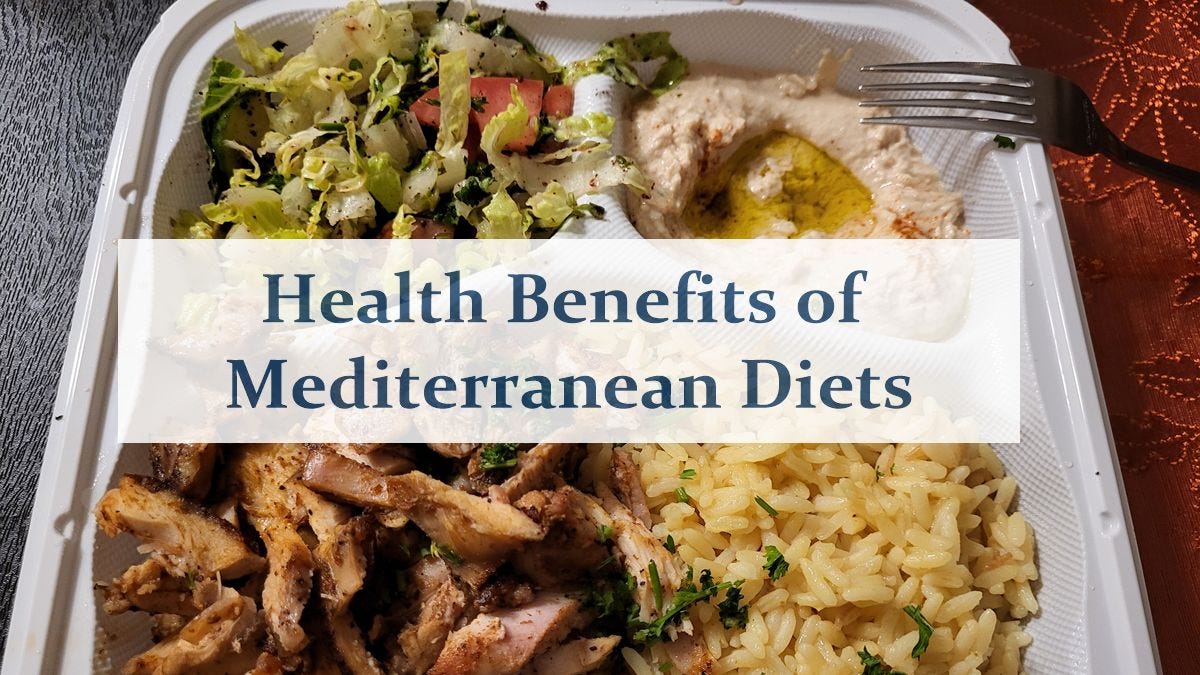
Mediterranean diet is actually less of a strict regimen and more of a delicious, flexible eating pattern inspired by the traditional foods and cooking methods of countries like Greece, Italy, Spain, Lebanon, Egypt… Far from being a temporary fad, this way of eating has been rigorously studied for decades and consistently linked to numerous health benefits, supported by a wealth of scientific research. It emphasizes whole foods, healthy fats, and a mindful approach to eating, making it a sustainable and enjoyable lifestyle choice for lasting wellness.
Here are many health benefits of adopting a Mediterranean diet:
1. Superior Heart Health
Perhaps the most celebrated benefit of the Mediterranean diet is its profound impact on cardiovascular health. The diet is naturally low in saturated fats and rich in monounsaturated fats (primarily from extra virgin olive oil), which help lower levels of “bad” LDL cholesterol while maintaining “good” HDL cholesterol.
Key Components: The abundance of omega-3 fatty acids from fatty fish (like salmon and mackerel), fiber from legumes, and antioxidants from fruits and vegetables work in concert to reduce inflammation, improve blood pressure, and keep blood vessels flexible and healthy [1].
Result: Following this diet is strongly associated with a reduced risk of heart attacks, strokes, and overall cardiovascular mortality.
2. Enhanced Brain Function and Reduced Cognitive Decline
What is good for your heart is excellent for your brain. The rich nutrient profile of the Mediterranean diet helps protect brain cells and slow age-related cognitive decline.
Key Components: Antioxidants found in berries, leafy greens, and nuts combat oxidative stress, a major contributor to brain aging. Omega-3 fatty acids are essential building blocks for brain cells and have anti-inflammatory effects in the brain.
Result: Studies indicate a lower risk of developing neurodegenerative diseases, including Alzheimer’s and Parkinson’s, among those who adhere closely to this eating style.
3. Effective Weight Management and Blood Sugar Control
The Mediterranean diet is naturally satiating, making it an excellent approach for maintaining a healthy weight without constant hunger.
Key Components: High fiber content from whole grains, legumes, and vegetables helps you feel fuller for longer, reducing overall calorie intake. The diet’s low glycemic load prevents sharp spikes in blood sugar.
Result: This approach not only aids in gradual, sustainable weight loss but also significantly reduces the risk of developing type 2 diabetes and improves blood sugar control for those who already have the condition.
4. Reduced Inflammation Throughout the Body
Chronic inflammation is at the root of many modern diseases, including arthritis, cancer, and heart disease. The Mediterranean diet is inherently anti-inflammatory.
Key Components: Olive oil, colorful vegetables, nuts, and fish all contain powerful anti-inflammatory compounds.
Result: By consistently consuming these foods and limiting pro-inflammatory foods (like processed meats and refined sugars), the diet helps keep inflammation markers low.
5. Potential Anti-Cancer Properties
While no diet can guarantee cancer prevention, the Mediterranean eating pattern is associated with a lower risk for several types of cancer.
Key Components: The diet is packed with antioxidants, phytochemicals, and fiber, which protect cells from damage and support a healthy digestive system.
Result: Research suggests reduced risks for breast, prostate, and colorectal cancers among adherents.
Adopting the Mediterranean diet doesn’t require a radical overhaul of your pantry overnight. Start by making simple swaps: use extra virgin olive oil as your primary cooking fat, increase your intake of plant-based meals, incorporate fish twice a week, and enjoy red meat less frequently.
It is more than just the food; it’s a lifestyle that emphasizes shared meals, regular physical activity, and appreciating fresh, seasonal ingredients. By focusing on flavor, variety, and whole foods, the Mediterranean diet offers a delicious and scientifically-backed path to vibrant health and longevity.